What to sort out before you book
- In June the walk is not dark. Sunset on 21 June is 9:57 pm and nautical twilight runs to roughly 10:58 pm, which is later than any walk starts: when it gets dark in Copenhagen.
- October is the honest answer. Sunset falls from 6:47 pm on 1 October to 4:35 pm on 31 October, a drop of 2 hrs 13 min in one month: the best month to come.
- One guided walk runs in English, and the dates are thin. A reviewer in August 2026 found a single date available in the whole month: the English-language picture.
- It is 1 hr 30 standing and walking on cobbles. There are no step-free promises and nowhere to sit down: cobbles, steps and access.
- Under-7s are not admitted to the ghost walk, under-12s not to the giants. Those are the operators’ limits, not a suggestion: taking children along.
- It runs in rain and in cold. January averages 1.4 °C and the walk goes ahead anyway: what to wear on a night walk.
What the guided ghost walk actually is
The flagship booking on this page and the only guided ghost walk in English in the city. Ninety minutes on foot from Nytorv to Kongens Nytorv, run by an operator working since 2004, with a guide in a black cloak carrying a lantern.
What you get
- A live guide, in English, for 1 hr 30 on foot through the medieval core
- Storytelling only — the operator states there are “no special effects nor elaborate props”
- A start at Nytorv in front of the court house and a finish at Kongens Nytorv, a minute from Nyhavn
- Free cancellation up to 24 hours before, and the walk runs in rain or cold
What it answers
- You want the city’s documented dark history rather than a jump-scare: what to expect
- You have one evening and want it spent walking: how long each walk takes
- You want somebody to explain why Danes say the Devil is loose in Salmon Street: Laksegade, 1826
- You are here in October and want the dark you were promised: Halloween in Copenhagen
What to know first
- Under-7s are not admitted, and there is no audio recording allowed: taking children along
- The dates are few and they go early in October: what runs in English
- Ninety minutes standing and walking on cobbles, with no seated option: cobbles, steps and access
- In June the whole thing happens in daylight: when it gets dark
The ground the walk covers, in order
Six places between Nytorv and Kongens Nytorv. This is the shape of the evening: the old judicial quarter, the burned market squares, the shopping street that runs through both of them, and the harbour the walk ends at.
I have pulled the paperwork for most of these addresses at one time or another, so what follows is what the record says about each of them rather than a timetable. Operators vary the order with the weather, the crowds on Strøget and how the group is walking, and no two guides tell the same six stories. Treat it as the ground rather than the itinerary.
- Nytorv, in front of the court house — The meeting point, and the reason the walk starts here rather than somewhere prettier. Nytorv was laid out in 1610 under Christian IV, and from 1627 it carried a permanent execution scaffold, rebuilt in 1728 as an octagonal masonry podium. Why this matters: the last executions on the square were in 1758, when Frederik Hammond and Anders Sundblad were beheaded for forging securities, the scaffold came down in 1761, and public branding and whipping at the pillory continued until 1780. You are standing on all of it while the guide counts the group. See what happened on Nytorv and where the walks start.
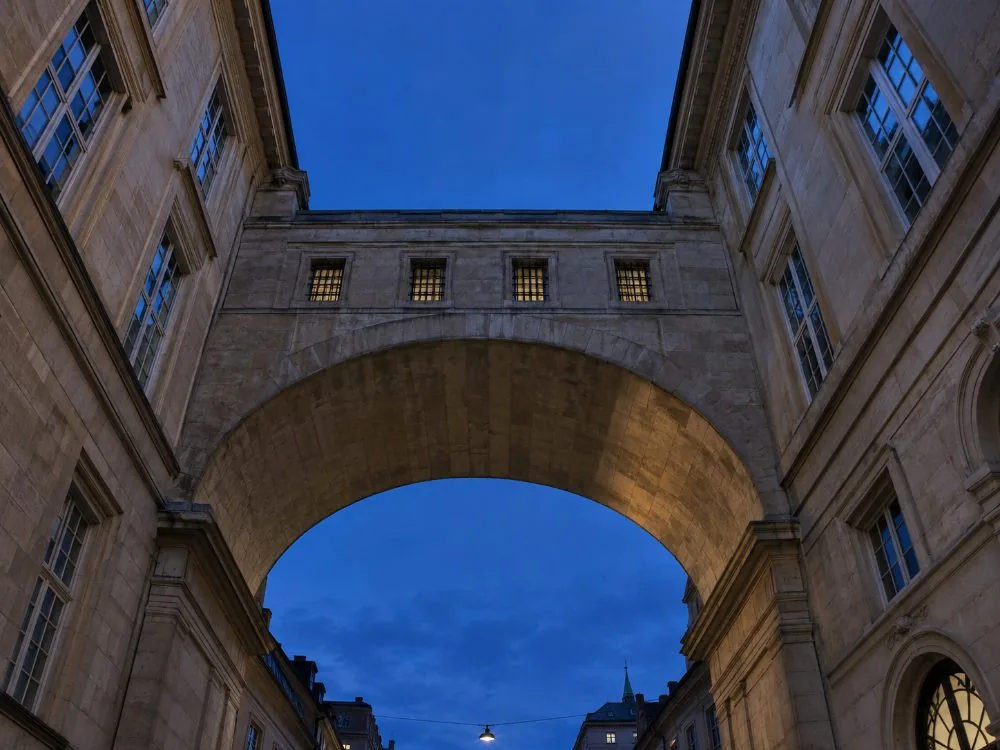
- The court house and the prisoner arch — Domhuset was built between 1803 and 1815 to C.F. Hansen’s neoclassical design, delayed by material shortages and by the bombardment of 1807, and it served as both city hall and courthouse. Its jail stands beside it, joined to it by a large overhead arch used as a prisoner walkway. Why this matters: the two inscriptions face each other across the street — Med lov skal man land bygge on the courthouse, For almeen sikkerheden on the jail — and the arch is the single most photographed thing on the walk. See the haunted places themselves.
- Gammeltorv and the Caritas Well — A hundred metres west, across Strøget. Christian IV put the Caritas Well up on Gammeltorv in 1608, and the town halls that stood on this square burned in 1728 and again in 1795, after which the civic function moved across to Nytorv. Why this matters: the fire of 20–23 October 1728 destroyed 47% of the medieval core and left about 15,000 of 70,000 residents homeless, and the fire that began around 3pm on 5 June 1795 took 909 houses. Almost nothing the guide points at here is older than the second fire. See the fire of 1728 and the fire of 1795.
- Strøget, between the two squares — The walking street runs straight through Gammeltorv and Nytorv, which is why the group spends part of the evening dodging shoppers. It was pedestrianised in 1962 at 1.1 km, then the longest pedestrian street in Europe, and Jan Gehl’s study of it from that same year went on to shape the city’s pedestrian and bicycle policy. Why this matters: this is the stretch where a summer walk feels least like a ghost walk, because at nine in the evening in June it is bright and busy. See Strøget and is Copenhagen walkable.
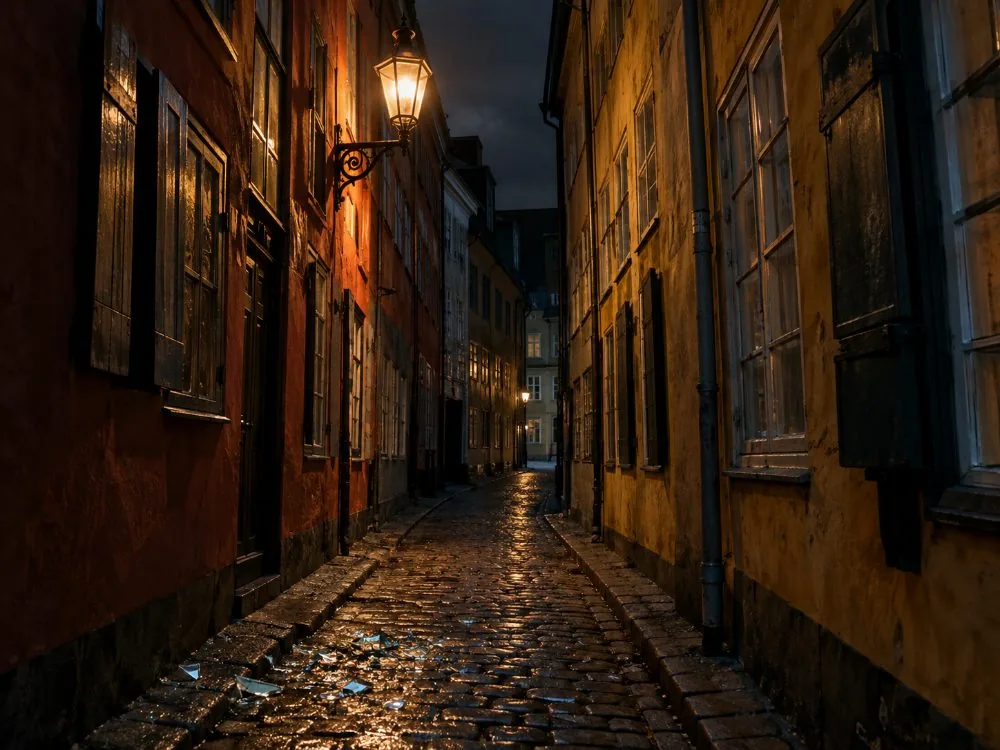
- Laksegade — Salmon Street — A narrow side street towards the harbour, and the one reviewers mention by name. In September 1826 the residents of Laksegade no. 210, roughly today’s nos. 9–11, fled the building as windows shattered and objects were reported flying through the air. Why this matters: the police issued a public statement on 15 September 1826 acknowledging that windows had been smashed from the outside and dismissing the more sensational accounts as fabrication, and the case was never solved. What survives is the idiom Danes still use — Fanden er løs i Laksegade, the Devil is loose in Salmon Street. The poltergeist is rumour; the panic, the statement and the phrase are on record. See the Devil in Salmon Street.
- Kongens Nytorv, and Nyhavn beyond it — The walk ends on the big square, a minute short of the water. Nyhavn was dug between 1670 and 1673 under Christian V by Swedish prisoners of war from the Scanian War, to give grain ships access to the Kongens Nytorv market, and it stayed a rough sailors’ quarter of pubs, brothels and tattoo parlours until commercial shipping stopped in 1967. Why this matters: the painted houses everyone photographs are the last thing on the route with any documented squalor in them, and Hans Christian Andersen lived at three of them — no. 20 from 1834 to 1838, no. 67 from 1848 to 1865 and no. 18 from 1871 to 1874. See the history of Nyhavn and Andersen’s Copenhagen.
Ninety minutes, a little over a kilometre, and you finish beside the restaurants. If that sounds like a short evening, it is: the walk is talk, and the ground it covers is small because the old city is small. People who want four hours and a bus should look at the six forgotten giants instead, and people who would rather solve something than listen should look at guided against self-guided.
How to book, and what to settle first
1. Pick the month before you pick the walk
This is the decision that matters. A walk in late June starts and finishes in full daylight; the same walk on 31 October starts after dark, because sunset has moved from 9:57 pm to 4:35 pm. See when it gets dark and the best month to visit.
2. Accept that English narrows the field
One guided ghost walk in English, two self-guided murder hunts in English or Danish, and two walks that run in Danish only. That is the whole market: what runs in English and which walk to choose.
3. Check the dates early, not the week you arrive
The guided walk goes out on set evenings and there are not many of them. One August reviewer found a single date in the whole month. October dates go first: Halloween in Copenhagen.
4. Book, then dress for standing still
Booking is instant confirmation through GetYourGuide, with free cancellation up to 24 hours before on the guided walk. Then bring the coat, because the walk goes ahead in rain and in cold: what to wear and Copenhagen weather.
Check dates for the guided ghost walk
Live dates for the one guided ghost walk in English — 1 hr 30 on foot from Nytorv in front of the court house to Kongens Nytorv near Nyhavn, rated 5.0 from 14 reviews, free cancellation up to 24 hours before. It runs on set evenings only, so if the calendar looks empty for your week, it genuinely is.
Three walks that are not doing the same job
The Round Tower murder hunt, the guided ghost walk and the six giants. The middle column is the one most English-speaking visitors are actually looking for; the outer two solve different evenings.
| Copenhagen: Murder Mystery Hunt by The Round Tower | Our pickCopenhagen: Guided Ghost Walk through Haunted City | Copenhagen: The Six Forgotten Giants Hunt and Nature Walk | |
|---|---|---|---|
| What it is | A paper murder hunt set in 1899: detective constables, a missing person and a bloody briefcase | The one guided ghost walk in English, on the city’s documented dark history | A half-day hunt for six wooden giants by the artist Thomas Dambo |
| How long | Self-guided — you set the pace and stop when you like | 1 hr 30 | 4 hrs |
| Where it starts | Rundetårn, then Gåbrødretorv, Købmagergade, Strøget, Vor Frue Kirke, Gammeltorv and Vor Frue Plads | Nytorv, in front of the court house; ends at Kongens Nytorv near Nyhavn | Valdemarsgade 15, at the building marked VESTERBROS K.F.U.M. |
| Language | English or Danish, printed | English, spoken | English, spoken |
| Guided or self-guided | Self-guided. Fully analogue — no phone needed, just a pen | A live guide in a black cloak with a lantern | A live guide, plus a driver |
| What is included | The hunt itself. Food, drink, transport tickets and entry fees are not included | Storytelling only: “no special effects nor elaborate props” | Guide, private transport, a coffee break and a meal |
| Age limit | No stated age limit; minimum party of 2, and groups of 2 to 4 are recommended | Not suitable for under-7s. No audio recording | Not for under-12s |
| Rating | 4.5 from 2 reviews | 5.0 from 14 reviews | 5.0 from 138 reviews |
| Who it is for | Two to four people who would rather solve something than be talked at | Anyone with one evening who wants the city’s record read out loud | People with a whole afternoon who want to get out of the city |
| View → | Book this → | View → |
Photo gallery
The walk, from Nytorv to the water
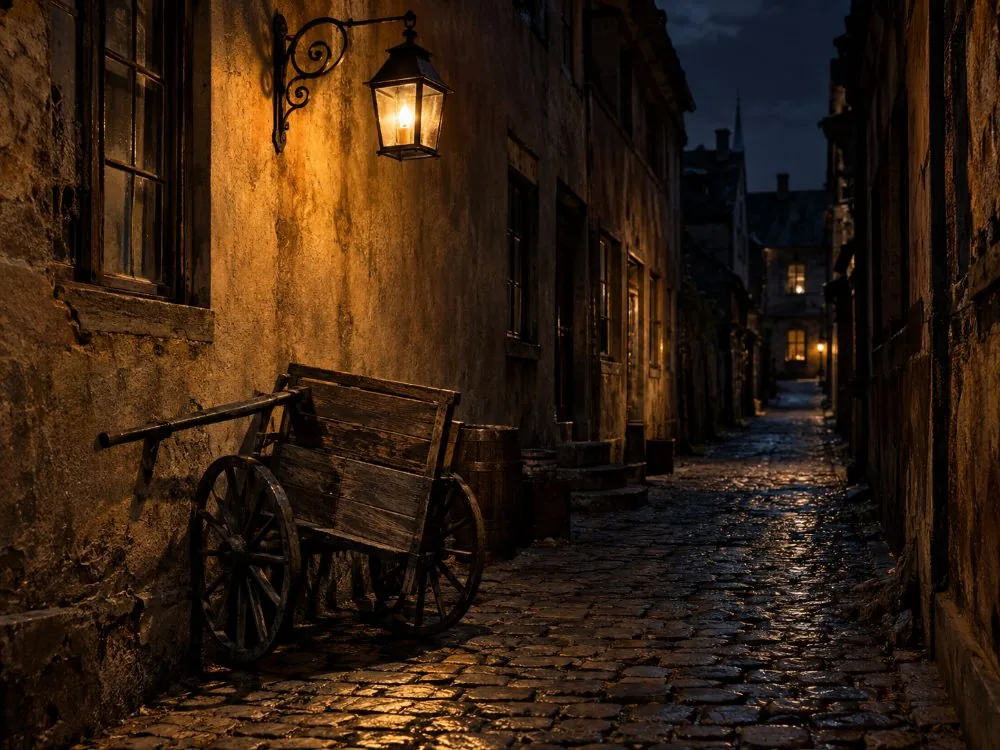
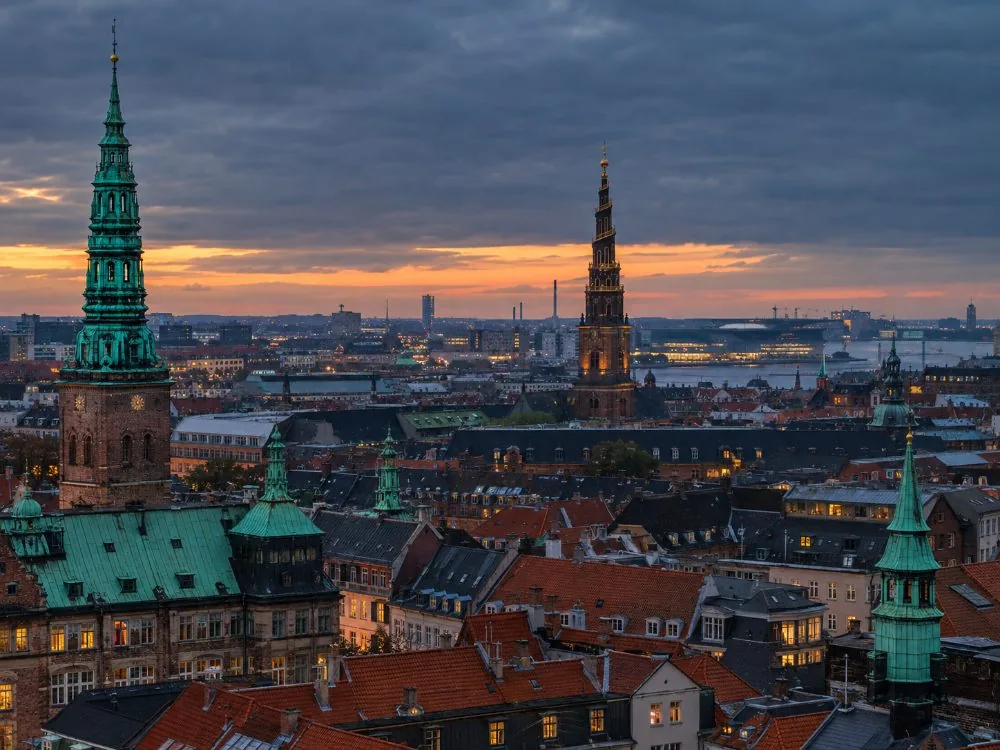
The squares, the arch, the side streets and the light in late October. Tap any photo to see it larger.
Every ghost, mystery and legend walk you can book
Six bookings, and the language is the first thing to read on each card. One guided ghost walk in English, two self-guided hunts in English or Danish, two guided walks in Danish only, and one daytime walk that has nothing to do with ghosts at all.
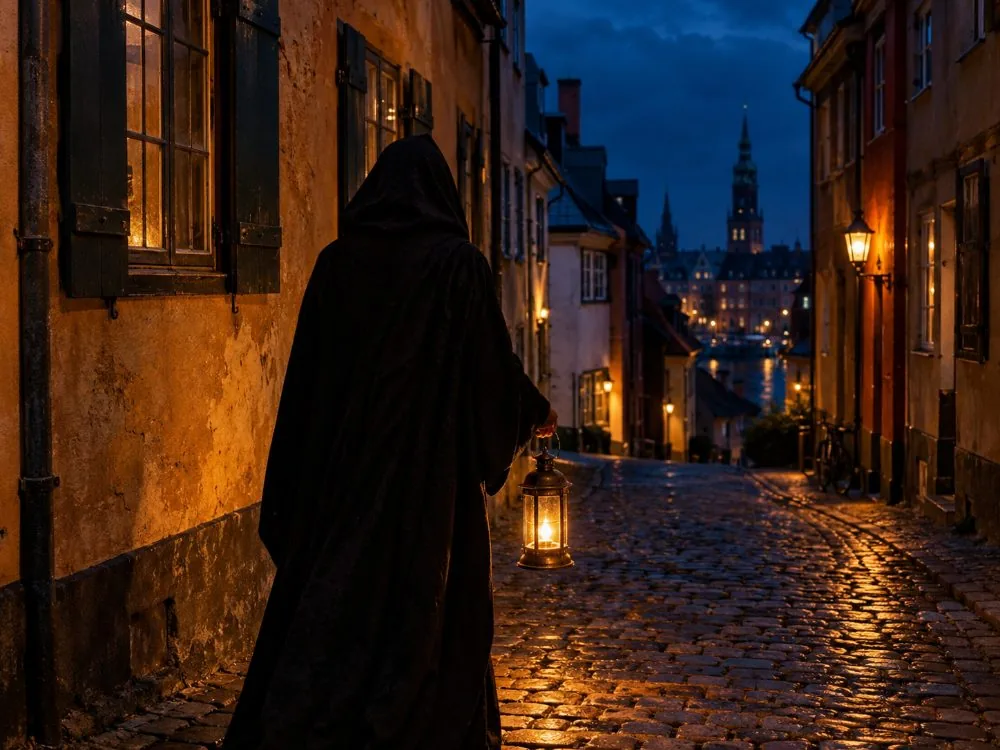 Lantern and black cloak
Copenhagen: Guided Ghost Walk through Haunted City
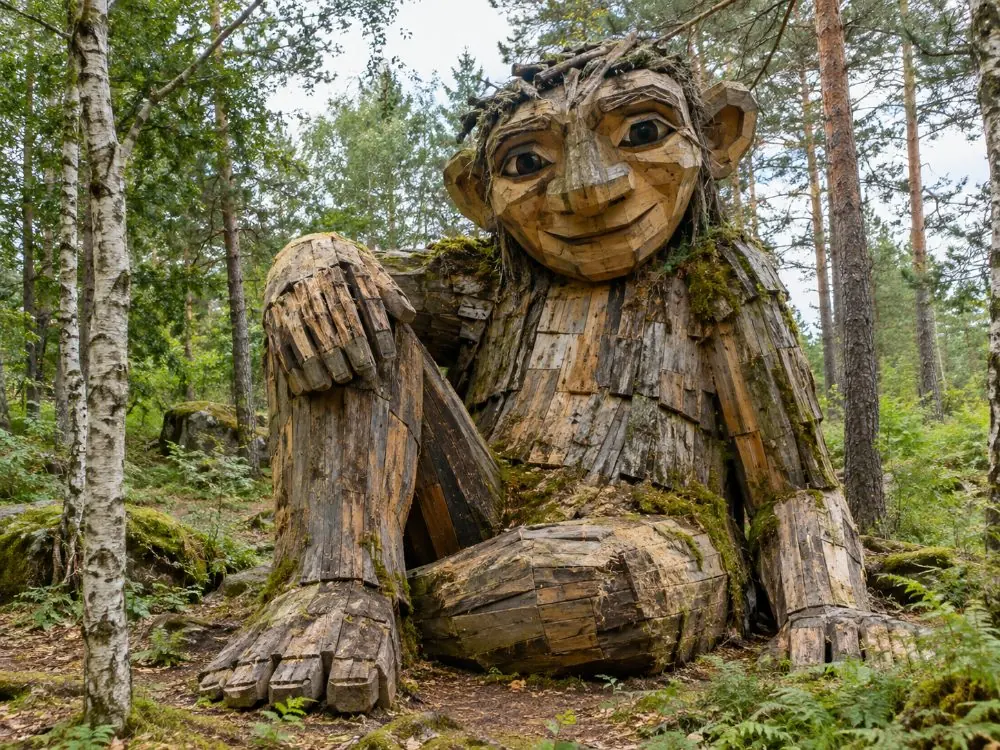 Six trolls in the woods
Copenhagen: The Six Forgotten Giants Hunt and Nature Walk
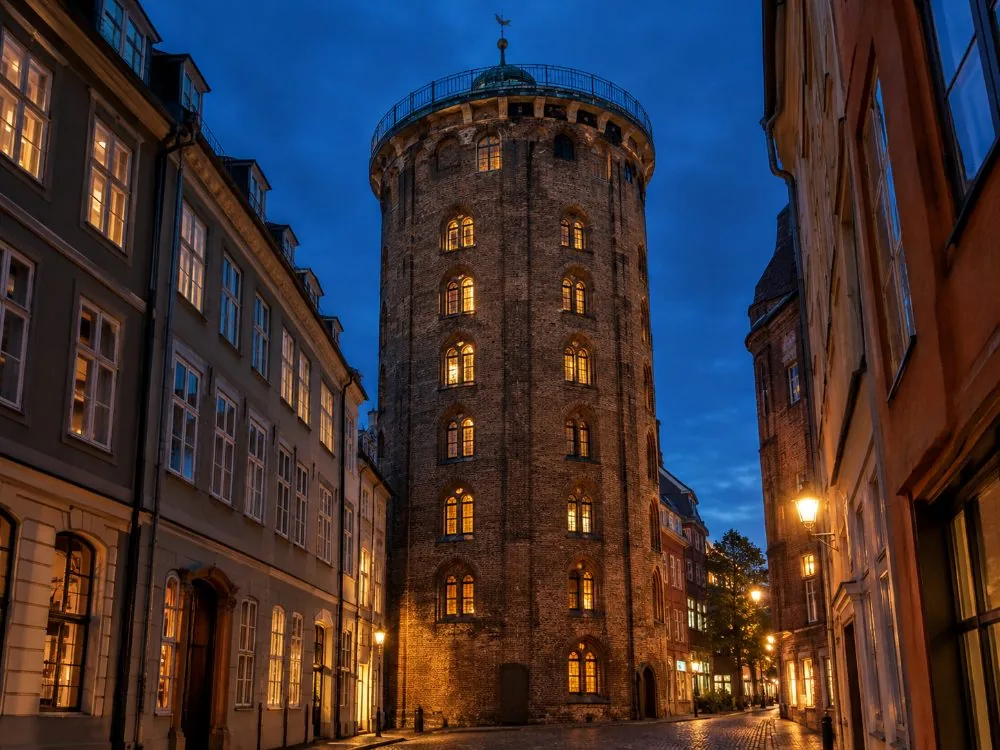 A killing in 1899
Copenhagen: Murder Mystery Hunt by The Round Tower
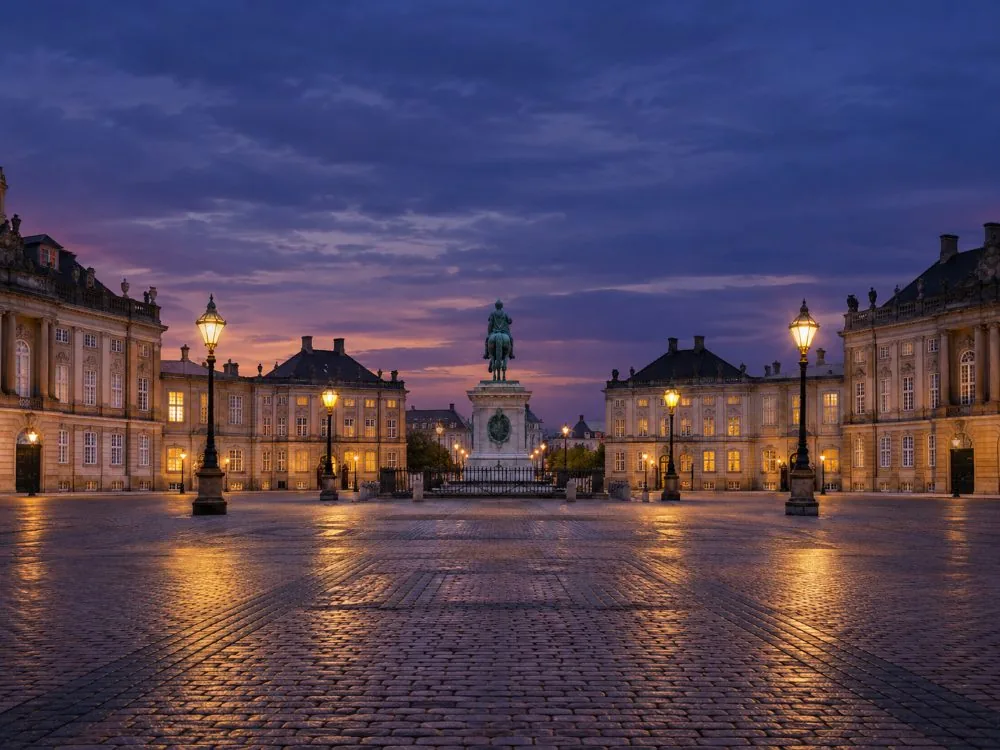 Nineteenth-century murder
Copenhagen: Murder Mystery Hunt by Amalienborg Palace
 The city’s outcasts
Copenhagen: Nightman’s Tour in Danish
 The Devil in Laksegade
Copenhagen: Guided Walking Tour of Folk Legends – in Danish
What people wrote afterwards
Real GetYourGuide reviews from verified bookings, kept short and kept as written, including the complaint. The ratings and counts on the cards above are the live figures.
The stories were interesting and entertaining, especially the Salmon Street episode.
Our guide (Elin) was a gifted story-teller who was able to bring to life for us the ghosts and mysteries of old Copenhagen.
Fantastic ghost walk! The stories were fascinating, and our guide was friendly, knowledgeable, and engaging.
I really enjoyed this tour, our guide was fantastic. We had 5 of us and all had a great time laughing and finding the Giants.
It was a fun way to see some of Copenhagen’s attractions, as well as to see a few more ‘unknown things.’
That it was actually a bit difficult to solve.
Ratings and review counts are the live GetYourGuide figures from the operators. Read our full reviews ›
The questions I get asked, answered from the record
Eleven years behind a reading-room desk and it is broadly the same six questions, starting with the one that does the site no favours.
How many ghost walks in English are there, honestly?
One. There is a single guided ghost walk in English in Copenhagen, it runs 1 hr 30 from Nytorv, and it is a small operation with limited dates — David from the United Kingdom, who liked the walk, wrote in August 2026 that his only real complaint was “the lack of choice for dates.. only one available for the whole month”. Beyond that you have two self-guided murder hunts you can start whenever you like. The richer walks — the nightman’s tour and the folk-legends walk — run in Danish. See what runs in English.
Will it actually be dark?
In June, no. The sun sets at 9:57 pm on 21 June and nautical twilight holds until roughly 10:58 pm, which is after any walk has finished, so a midsummer ghost walk is a daylight walking tour with dark stories in it. By 1 October sunset is 6:47 pm, by 25 October it is 4:48 pm once the clocks go back, and on 31 October it is 4:35 pm. That is the single reason to come in autumn: when it gets dark in Copenhagen.
Is any of this documented, or is it all stories?
Both, and the walk is better when somebody separates them for you. The scaffold on Nytorv, the police statement of 15 September 1826 about Laksegade, the 4,737 cholera deaths in 1853, the seventeen people burned in the Copenhagen witch trials of 1589 to 1590 — all of that is in the paperwork. The cat said to haunt Rosenborg and the king said to walk Frederiksberg as a small dog are stories people told, published as such by the national tourist board. See the haunted places and the witch trials.
What am I missing if I do not speak Danish?
The nightman’s tour, which is 75 minutes from the statue of Absalon on Højbro Plads on the natmænd — three centuries of people counted uærlige, dishonourable, for emptying latrines, removing carcasses and assisting the executioner. And the folk-legends walk, 90 minutes from the University steps, on the Devil in Laksegade, a widow buried alive and where several Danish phrases come from. Both are worth a translator if you have one: the nightman’s tour and the folk legends walk.
Can I bring the children?
Not the small ones. The guided ghost walk is not suitable for under-7s and the six-giants walk is not for under-12s; both limits are the operators’, not mine. The murder hunts have no stated age limit and a minimum party of two, which makes them the family-shaped option. Tivoli runs two haunted houses in its Halloween season, 2 October to 1 November, and warns they are not for the faint of heart or young children. See taking children along and Tivoli’s haunted houses.
Is it safe to walk around Copenhagen at night?
Yes, and unusually so. Copenhagen ranked first in the Economist Intelligence Unit’s Safe Cities Index 2021, Denmark placed 8th in the Global Peace Index 2025 with a score of 1.393, and the Danish murder rate was 0.8 per 100,000 in 2018. The thing that catches visitors on a dark evening is the cobbles and the bicycles, not crime. See is Copenhagen safe and areas to avoid.
Those dates don’t work?
The guided ghost walk runs on set evenings and sells out early in October. Browse what else is bookable in Copenhagen — the self-guided murder mysteries you can start whenever you like, and the daytime walks — and pick a date that suits you, with instant confirmation.
Copenhagen after dark, explained
A ghost walk in Copenhagen is 1 hr 30 on foot through about a kilometre of the old city, starting on the square where the scaffold stood and ending beside the restaurants at Nyhavn. There is one of them in English. What decides whether you enjoy it is not the guide or the stories but the month, because in June the sun does not set until 9:57 pm and the walk happens in broad daylight.
A very safe city with a very bad record
Copenhagen ranked first in the Economist Intelligence Unit’s Safe Cities Index in 2021, and the Danish murder rate was 0.8 per 100,000 in 2018. None of that is the reason the history lands; it is the reason it lands harder. The plague of 1711 killed about 20,000 of the city’s 66,000 people, with mass graves being dug by August. The fire of 20–23 October 1728 took 47% of the medieval core and 35,000 volumes of the University library held at the Round Tower; the fire of 5 June 1795 took 909 more houses. In September 1807 the Royal Navy fired 300 Congreve rockets into the city, killed about 195 civilians, and used the tower of the Church of Our Lady for range practice until the cathedral burned down. In 1853 cholera produced 4,737 deaths between June and October. Read those separately at the plague of 1711, the fire of 1728, the bombardment of 1807 and the cholera year.
What a Copenhagen ghost walk is, and is not
It is a storytelling walk. The operator behind it has been running since 2004 and says plainly that there are “no special effects nor elaborate props”; the guide wears a black cloak and carries a lantern, and that is the extent of the theatre. Nobody jumps out at you. You stand on Nytorv, laid out in 1610, which carried a permanent execution scaffold from 1627 until 1761 and saw its last beheadings in 1758. You look at the court house C.F. Hansen built between 1803 and 1815 and the arch that carried prisoners across the street to it. You hear about Laksegade, where in September 1826 a building emptied as windows shattered — and, if the guide is good, you also hear that the police statement of 15 September 1826 confirmed the windows were broken from the outside, called the wilder accounts fabrication, and that nobody was ever charged.
That distinction is the thing worth turning up for. The scaffold, the fires, the cholera figures and the police day-book are documented. The cat said to haunt Rosenborg and the king said to walk Frederiksberg Palace as a small dog are stories people told, published as such by the national tourist board. A walk that blurs the two is a worse walk. See what to expect and the haunted places themselves.
The daylight problem, month by month
This is the part nobody tells you before you book. On 21 June the sun rises at 4:25 am and sets at 9:57 pm — 17 hrs 32 min of daylight — and nautical twilight does not end until roughly 10:58 pm, later than any evening walk finishes. A June ghost walk is a daylight walking tour with dark material in it. By 1 October sunset is 6:47 pm; by the 15th, 6:12 pm; the clocks go back and by the 25th it is 4:48 pm, and on 31 October, 4:35 pm. Day length falls 2 hrs 13 min across that one month. On 21 December there are 7 hrs 6 min of daylight.
So the recommendation is October, honestly rather than for Halloween: the dark arrives at a civilised hour and January’s average of 1.4 °C has not. The walk runs in rain and cold either way. See when it gets dark, the best month and what to wear.
One walk in English, two in Danish
The English-speaking visitor’s options are narrow and it is better to know that now. One guided ghost walk runs in English, rated 5.0 from 14 reviews, on set evenings; a reviewer in August 2026 who otherwise enjoyed it noted there was only one date available in the whole month. After that come two self-guided murder hunts, in English or Danish, which you start when you like: an 1899 case around the Round Tower and Gammeltorv, and a nineteenth-century murder running from the pier past Skt Annæ Plads to Nyhavn. Both are analogue — paper and a pen, no phone — and both want a party of at least two.
The deeper walks are Danish only. One spends 75 minutes on the natmænd, who emptied latrines, removed carcasses and assisted the executioner, and were counted uærlige, dishonourable, which barred them from marrying into respectable families. The other spends 90 minutes on folk legends and where several Danish phrases come from. If you have a Danish-speaking friend, use them. See the English-language picture, guided against self-guided and the nightman’s tour.
Who should skip it
Anyone who wants to be frightened. This is a history walk with a lantern, and the operator says so. Anyone with children under seven, who are not admitted. Anyone who cannot stand and walk on cobbles for ninety minutes without a seat. Anyone visiting in June who will mind the daylight. And anyone whose evening has to be a fixed date, because the calendar is thin and it will not bend.
If that rules you out, the alternatives are real. The six forgotten giants is a four-hour daytime walk out of the city after Thomas Dambo’s wooden trolls, with transport and a meal, rated 5.0 from 138 reviews. Assistens Cemetery in Nørrebro, opened in 1760 for the poor and now 25 hectares holding Hans Christian Andersen, Søren Kierkegaard and Niels Bohr, asks only an afternoon. See which walk to choose, is it worth it and Assistens Cemetery.
Frequently asked questions
Where does the Copenhagen ghost walk start?
At Nytorv, in front of the court house, in the middle of the old city and directly on Strøget. The guide wears a black cloak and carries a lantern, which makes the group easy to find. The walk ends 1 hr 30 later at Kongens Nytorv, a minute from Nyhavn. The other walks meet elsewhere — the nightman’s tour by the statue of Absalon on Højbro Plads, the folk-legends walk in front of the University steps, and the six giants at Valdemarsgade 15. See where the walks start.
How long is the guided ghost walk?
One hour thirty. The nightman’s tour is 75 minutes, the folk-legends walk is 90 minutes, the six-giants walk is 4 hours with transport and a meal, and the two murder hunts are self-guided, so they take as long as you take. See how long each one takes.
Is there a ghost tour in Copenhagen in English?
One guided one. It is the walk on this page, 1 hr 30 from Nytorv, rated 5.0 from 14 reviews. The two murder-mystery hunts come in English or Danish and are self-guided. The nightman’s tour and the folk-legends walk are Danish only. That is the entire English-language market, and one reviewer’s complaint about the thin calendar is fair: what runs in English.
Will it be dark during the tour?
Not in summer. On 21 June the sun rises at 4:25 am and sets at 9:57 pm, giving 17 hrs 32 min of daylight, and nautical twilight does not end until about 10:58 pm. On 21 December there are 7 hrs 6 min of daylight. Through October sunset moves from 6:47 pm on the 1st to 4:35 pm on the 31st. If darkness matters to you, book October to February: when it gets dark.
What is the best month for a ghost walk in Copenhagen?
October, and not for the Halloween marketing. Day length drops 2 hrs 13 min across the month, so a walk in the last week begins in full dark, and the city is not yet at January’s average of 1.4 °C. Tivoli’s Halloween season runs 2 October to 1 November alongside it. See the best month and the best time of year.
Can children come on the ghost walk?
Not under sevens — the operator states the walk is not suitable for them. The six forgotten giants is not for under-12s. The two self-guided murder hunts set no age limit and need a party of at least two, and they are the ones families tend to manage. See taking children along.
What happens if it rains?
The walk goes ahead. It runs in rain and in cold, and there is no indoor section to retreat into. Copenhagen takes about 660 mm of rain a year with August the wettest month at 80 mm, and winter cold waves can reach −15 or −16 °C. Dress for standing still rather than for walking: what to wear and Copenhagen weather.
Is Copenhagen safe to walk around at night?
It is one of the safest cities you will do this in. Copenhagen ranked first in the Economist Intelligence Unit’s Safe Cities Index 2021, Denmark placed 8th in the Global Peace Index 2025, and the murder rate was 0.8 per 100,000 in 2018. Watch the cycle lanes rather than the shadows. See is Copenhagen safe.
Is the ghost walk true, or is it made up?
A good part of it is on the public record and the rest is folklore, and a guide worth the money tells you which is which. Documented: the scaffold on Nytorv from 1627 to 1761, the police statement of 15 September 1826 on Laksegade, 47 post-war executions ending with a firing squad on 20 July 1950. Told as stories: the ghost cat of Rosenborg, Holger Danske asleep under Kronborg. See the haunted places and is it worth it.
What happened on Nytorv?
Executions, for 134 years. A permanent scaffold stood there from 1627, rebuilt in 1728 as an octagonal masonry podium, and the last beheadings on the square were in 1758, of Frederik Hammond and Anders Sundblad, for forging securities. The scaffold was removed in 1761 and branding and whipping at the pillory continued until 1780. The city’s later public execution ground, from 1806 to 1857, was out at the old Svenske Skanse redoubt by Amagerport, where 35 people died. See executions on Nytorv and executions in Denmark.
Why do Danes say the Devil is loose in Salmon Street?
Because of a week in September 1826. Residents of Laksegade no. 210, roughly today’s nos. 9 to 11, left the building as windows shattered and objects were reported flying through the air. The police statement of 15 September 1826 confirmed windows broken from the outside and called the wilder accounts fabrication, and nobody was ever charged. The phrase Fanden er løs i Laksegade has meant “all hell has broken loose” ever since. See the Devil in Salmon Street.
Is Copenhagen worth visiting for Halloween?
It is a good October city and a thin Halloween one. The darkness arrives properly, Tivoli decorates for a season running 2 October to 1 November and opens two haunted houses it warns are not for the faint of heart or young children, and the guided ghost walk sells its October dates early. What you will not find is a Danish tradition of Halloween. See Halloween in Copenhagen and Tivoli’s haunted houses.
Still have a question? Write to us at [email protected]